The report also analyses how rights to family life and children’s protection, formally enshrined in international and European Union (EU) law, are undermined by national migration regimes.
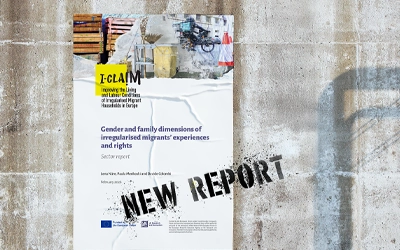

The report also analyses how rights to family life and children’s protection, formally enshrined in international and European Union (EU) law, are undermined by national migration regimes.
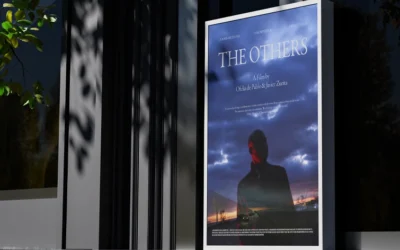
Join us on 23 March in Amsterdam for the screening of THE OTHERS, followed by a discussion with the filmmakers and experts on dignity for migrant workers in Farm2Fork.
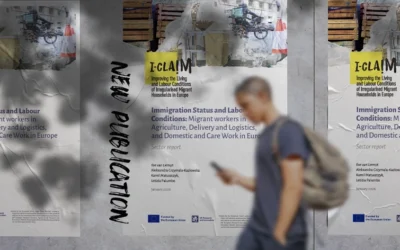
This new report examines the living and working conditions of irregularised migrant workers in agriculture, delivery and logistics, and domestic and care sectors across six European countries, highlighting how migration, labour, and welfare systems shape experiences of insecurity and work.
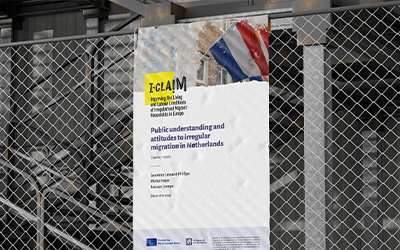
This new I-CLAIM publication explores how people in the Netherlands understand and feel about irregular migration.
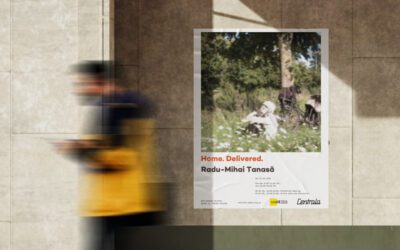
On January 5th, Radu-Mihai Tanasă presents Home. Delivered.
An exploration of migrant identity, labour, and belonging, told through a deceptively simple premise: a masked delivery worker transporting a large stone across Utrecht.
Our newest paper examines the factors contributing to irregular conditions for migrants at the intersection of migration, employment, and welfare systems in the Netherlands.

I-Claim research featured in an important new article published by Sociale Vraagstukken, highlighting why undocumented people in the Netherlands should not be criminalised but protected.
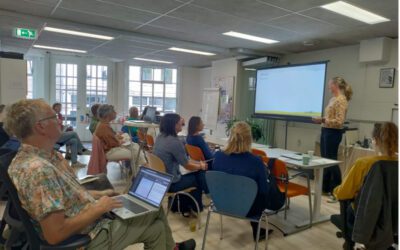
On the 8th of September the third I-CLAIM stakeholder meeting was organized in the Netherlands at the office of I-CLAIM partner Fair work.
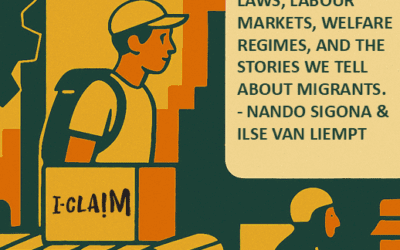
New I-CLAIM paper unpacks how “irregularity” is made in Europe. Written by Nando Sigona and Ilse van Liempt