ARTISTS IN RESIDENCE
Research findings are often confined to specialised language and academic formats that help capture the complexity of social phenomena but also create barriers to common understanding. I-CLAIM addresses this challenge by awarding six grants to artists across consortium countries with the goal of diversifying how research results are communicated. Art helps convey the perceptual and emotional aspects that often remain hidden in academic writing, offering fresh and more accessible and relatable perspectives on the project’s central themes.
Grants and exhibitions are coordinated by Centrala, a Birmingham-based art gallery, throughout 2025, focusing on six thematic areas: public narratives, public perceptions, the household dimension, alongside the research’s core labour market sectors (agriculture, food delivery, and domestic work). All these works will come together in a final collective exhibition.
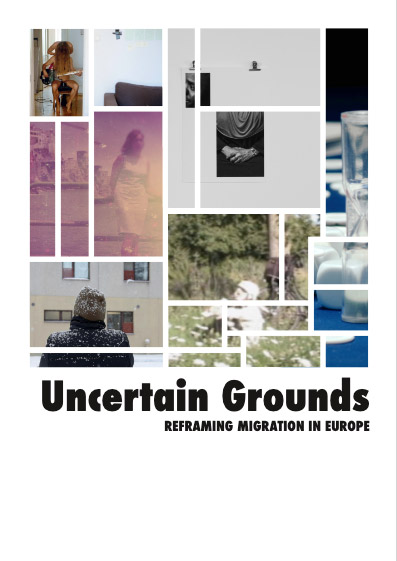
Exhibit Catalogue
Finland
Future Conditional: Two-channel video installation, 2026
Exhibition / 2 March — 6 March 2026
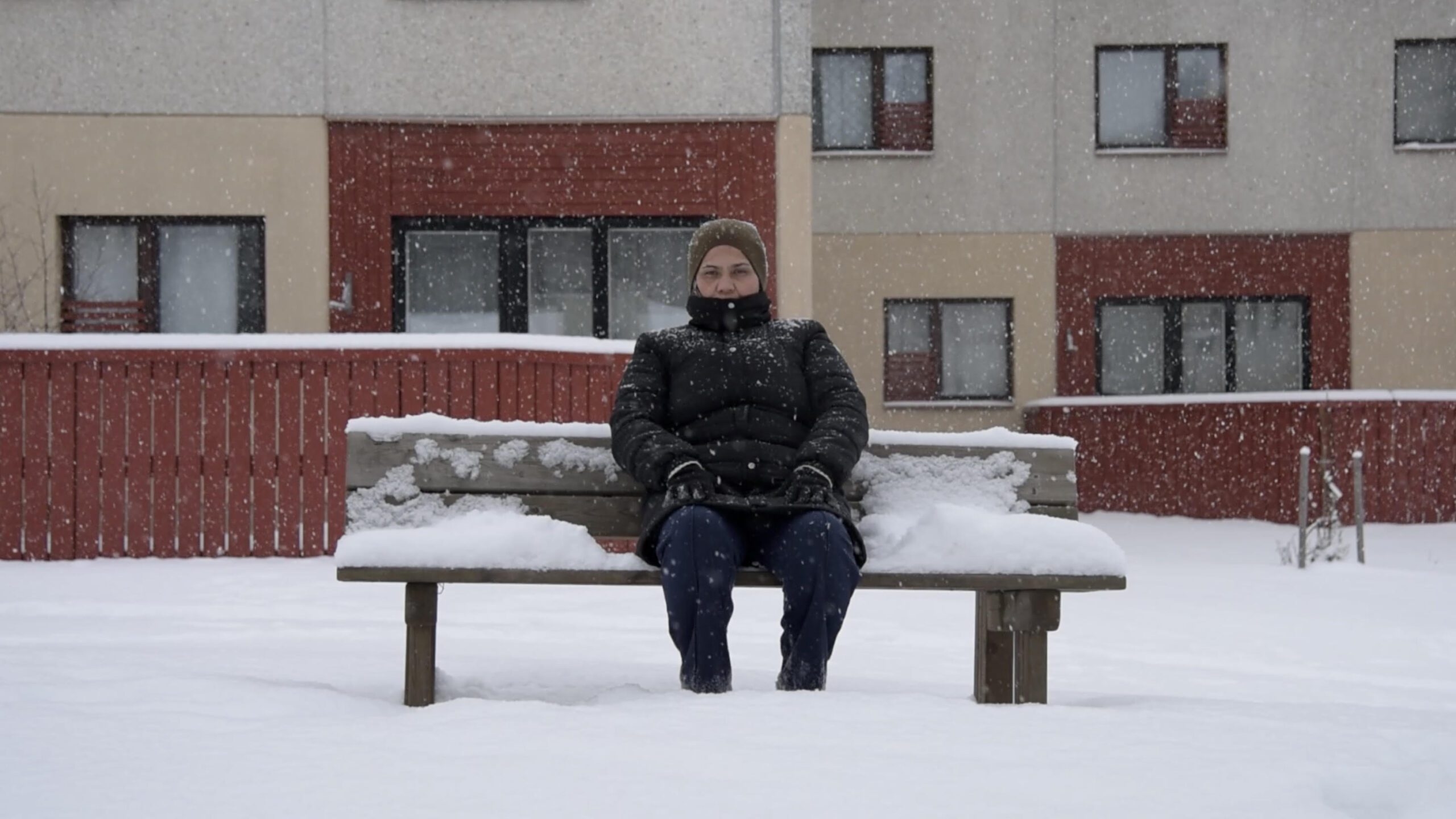
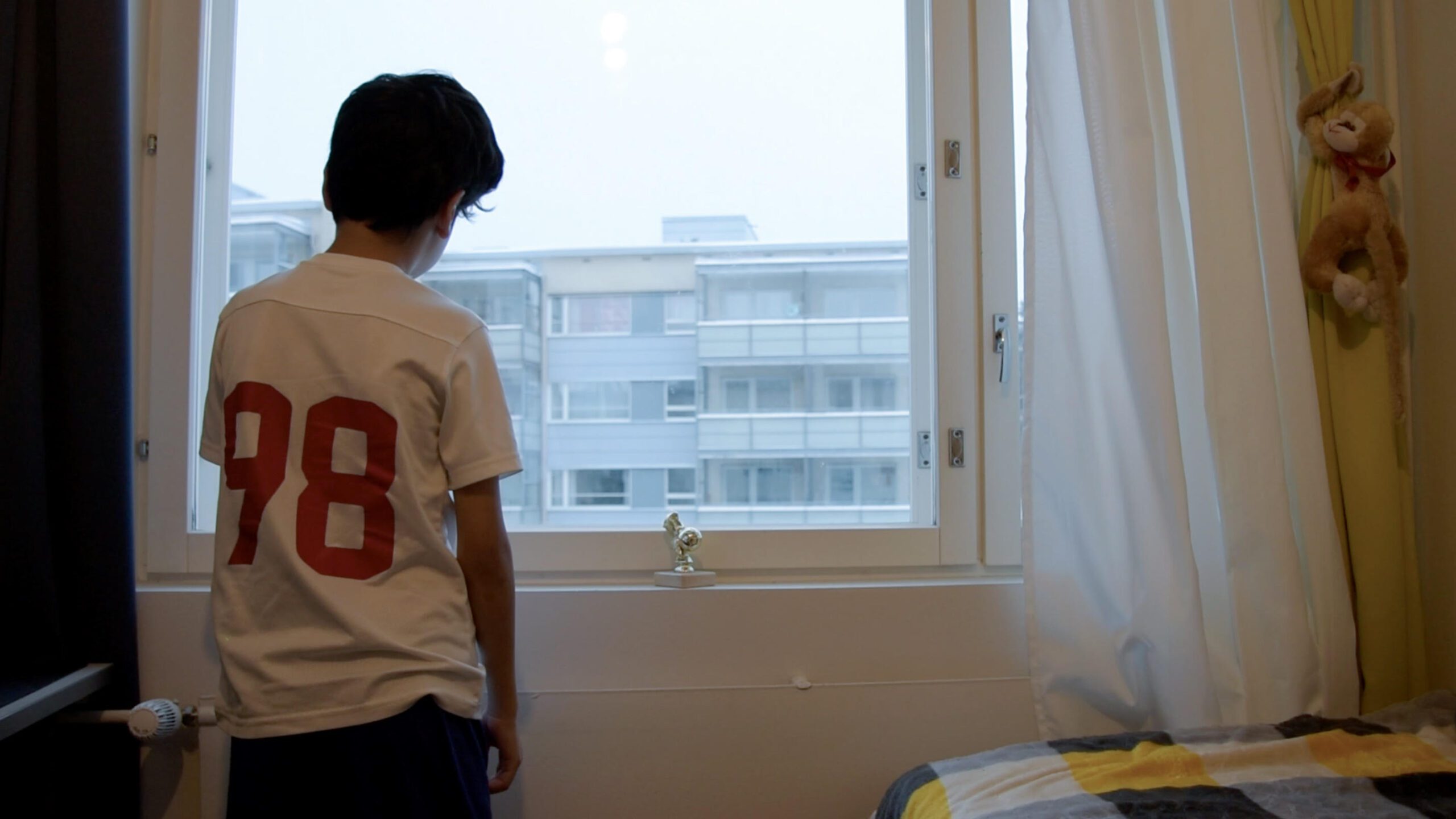
Future Conditional examines lives of families whose futures in Finland are made conditional by residence permits, employment contracts, family ties and shifting migration categories. The work focuses on Afghan parents whose everyday lives are guided by the hope that their children’s future will be continuous and safe, even when their own status is uncertain or narrowly defined.
The two-channel installation consists of parallel videos in which parents’ future-oriented wishes are set in dialogue with children’s present-tense thoughts. Moving between public outdoor spaces and domestic interiors, the images trace a temporal tension within the families: adults speak about their own lives through their children, while children imagine their future from within everyday life. Future Conditional explores how migration policy and cross-generational expectations intertwine with intimate relationships and shape ideas about what kind of future is possible at all.
This artwork has been commissioned by Centrala Space, Birmingham UK.
Part of I-CLAIM research project.
More details about the event:
The opening event on 3.3. will take place in Main building, Fabianinkatu 33
The exhibit 4.-6.3. will be in Porthania, Yliopistonkatu 3

Anna Knappe & Amir Jan
Helsinki-based artist duo


Germany
Rerouting
Video installation / 14–15 March 2026 | DAAD-Galerie, Berlin
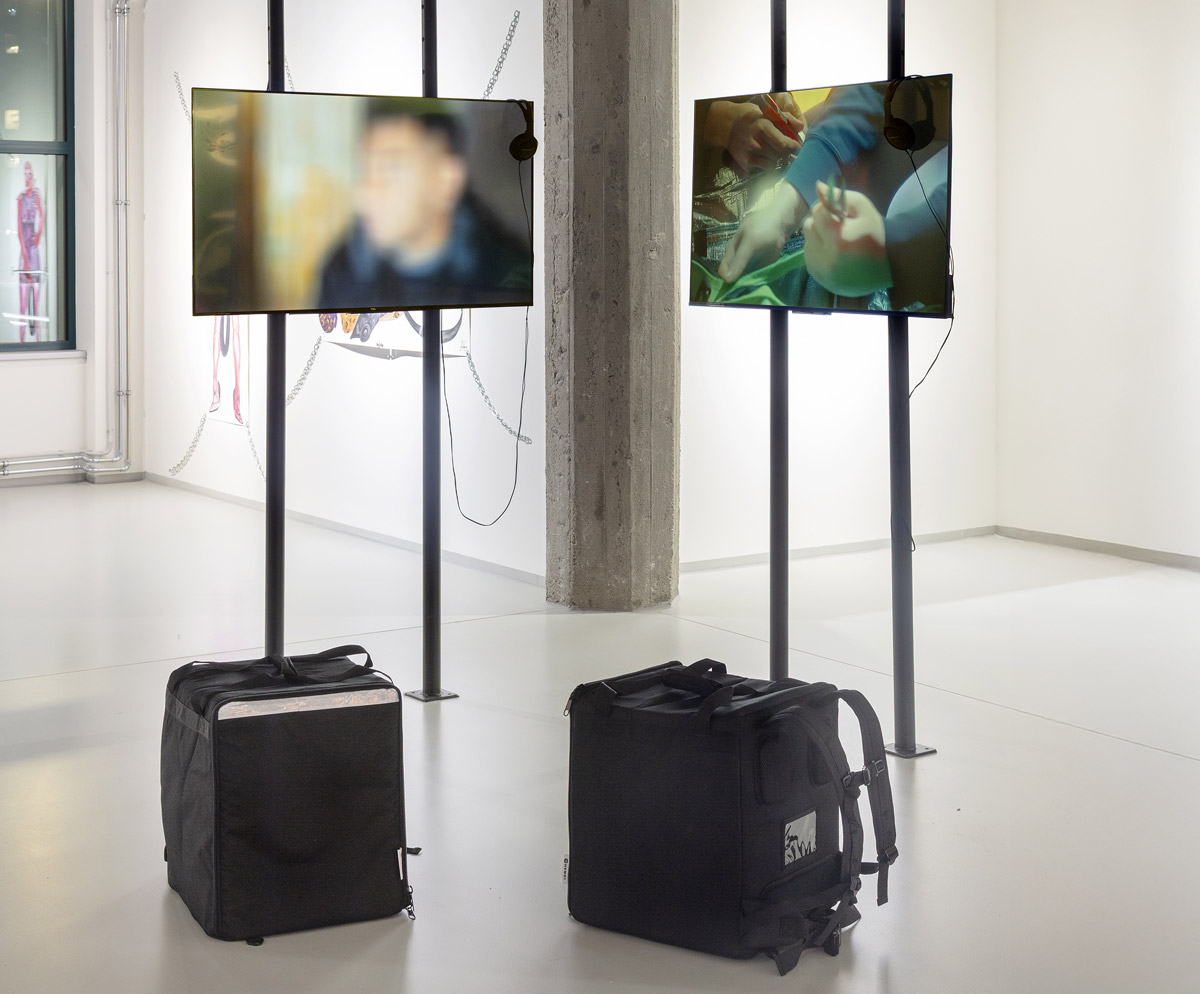
Rerouting is a new video installation by Alicja Rogalska, developed in collaboration with Berlin-based bicycle couriers and presented as part of the I-CLAIM research project.
Building on Rogalska’s ongoing work with migrant workers in Berlin, the installation focuses on bike couriers — predominantly migrants from India and Pakistan and other third-country nationals — whose labour unfolds within algorithmically managed platform economies. Working in the “cracks” of existing systems, couriers experience precarity, acceleration, and AI-controlled forms of management, while sustaining the everyday circulation of the city.
Rather than positioning couriers solely as precarious workers, Rerouting foregrounds them as critical thinkers and co-authors. The video invites participants to imagine alternative economic models grounded in lived experience: cooperative, sustainable, and human-scale systems in which urban logistics become the lifeblood of a radically different society. Through collaborative processes, the work transforms speculative thinking into a shared artistic proposition, shifting attention from exploitation toward collective agency and structural imagination.
The installation is situated within I-CLAIM, a European research project examining the living and working conditions of irregularised migrant households and workers. In Germany, the research, led by the Catholic University of Applied Sciences Mainz in collaboration with the Catholic Forum “Living in Illegality”, addresses platform labour, migration governance, and the everyday realities of workers navigating precarious employment regimes. Rerouting translates these research concerns into an artistic space where structural critique and collective vision-making intersect. Rerouting was commissioned by Centrala Space.
More details about the event:
The exhibition will take place at DAAD-Galerie, Oranienstraße 161, Berlin, on 14–15 March 2026 (12:00–19:00).
An opening and discussion will be held on 14th March at 16:00 with Alicja Rogalska, Alicja Kaczmarek, and Krisztina Hunya.
A second discussion on 14 March at 16:00 will bring together researchers and migrant activists Nick Houde, Savio Fernandes, Dheeraj Tyagi, and Beatrice Bianca Salamena.
Alicja Rogalska
Polish-British interdisciplinary artist based in Berlin and London.

Italy
Nostalgia ‘n’ Exploitation
Exhibition / 7 May — 11 May 2025
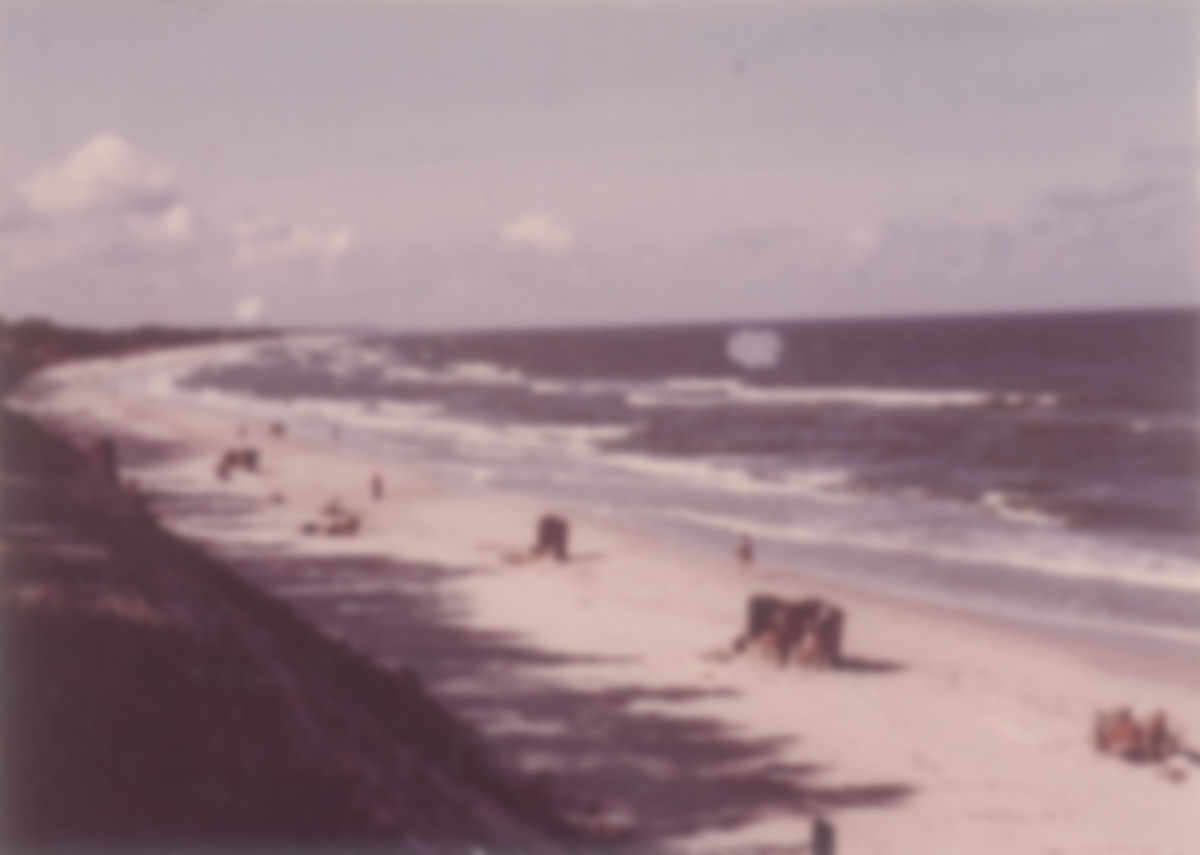
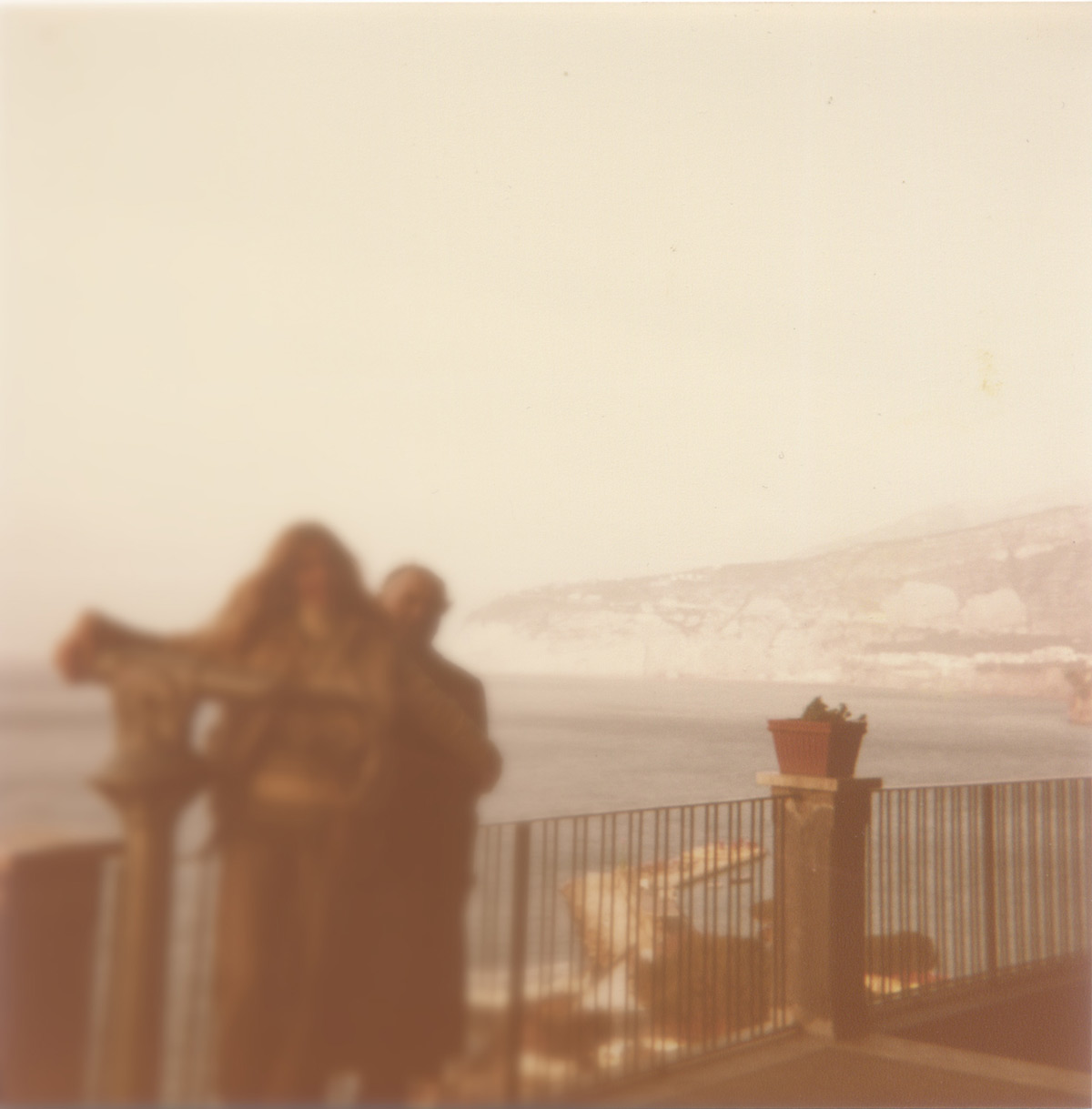
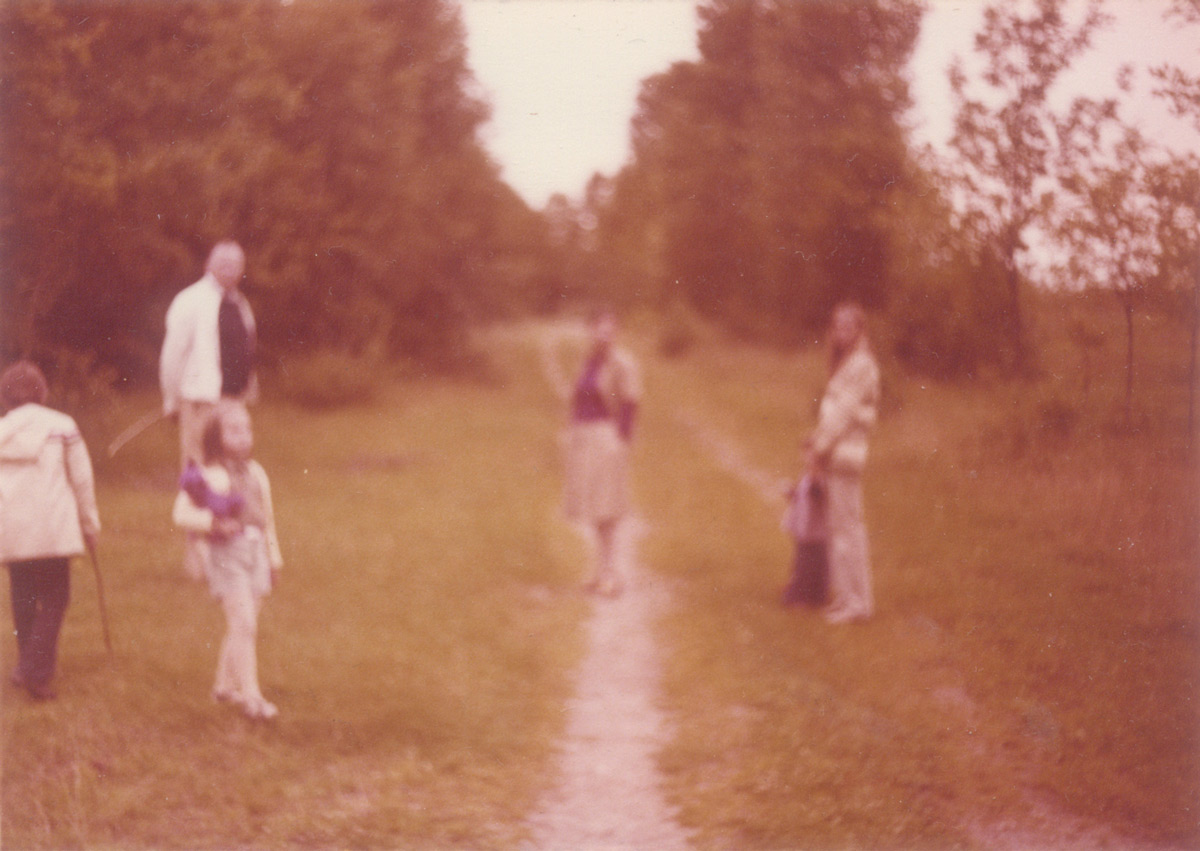
Chrisss Costa’s Nostalgia ‘n’ Exploitation navigates the complex experiences of Polish and Slavic individuals who, over the last few decades, have arrived in Southern Italy under varying circumstances, some by choice, others by necessity and found themselves caught between conflicting forces: nostalgia, exploitation, racism, and a pervasive sense of dislocation.
‘Nostalgia ‘n’ Exploitation’ by Chris Costa brings together artworks created in response to research undertaken by Ca’ Foscari University exploring the often-overlooked realities of domestic, care, and cleaning work, with a particular focus on the lives of irregular migrants and how they are perceived in public discourse. Artists were invited to engage closely with these findings and collaborate with researchers, offering critical and creative interpretations of the data.
Chrisss Costa
Artist working with territories, communities, and social groups.
ARTIST BIO
Chrisss is an artist working with territories, communities, and social groups. They develop long-term public art projects with a relational approach, fostering deep connections with places and people. Their work challenges the economic constraints of the art system, focusing instead on duration, identity, and place.
A translator and writer, Costa has collaborated with L’Orientale University of Naples and the Silesian University of Katowice, while also contributing to Italian arts magazines. In 2002, they co-founded container collective, an artistic group and design studio. Since then, they have led and participated in numerous public art initiatives, including Progetto Isole in Sicily, N.EST in Naples, and Spazi Docili in Florence.
Costa’s projects often explore migration, identity, and socio-economic impacts on space. They have worked in refugee camps, documented the aftermath of the Maidan revolution, and examined migration routes through the Balkans. As Artistic Director and Playwright for Poland at the Quartieri di Vita festival, they collaborate with young artists from diverse backgrounds. Their practice spans installation, video, performance, and sound, using photography as a key medium to examine the relationship between place, identity, and memory.
Poland
JP1: The Migrating Child
Exhibition / 11 February 2026
The Migrating Child is a new performance piece commissioned by Centrala and presented as part of the I-Claim project.
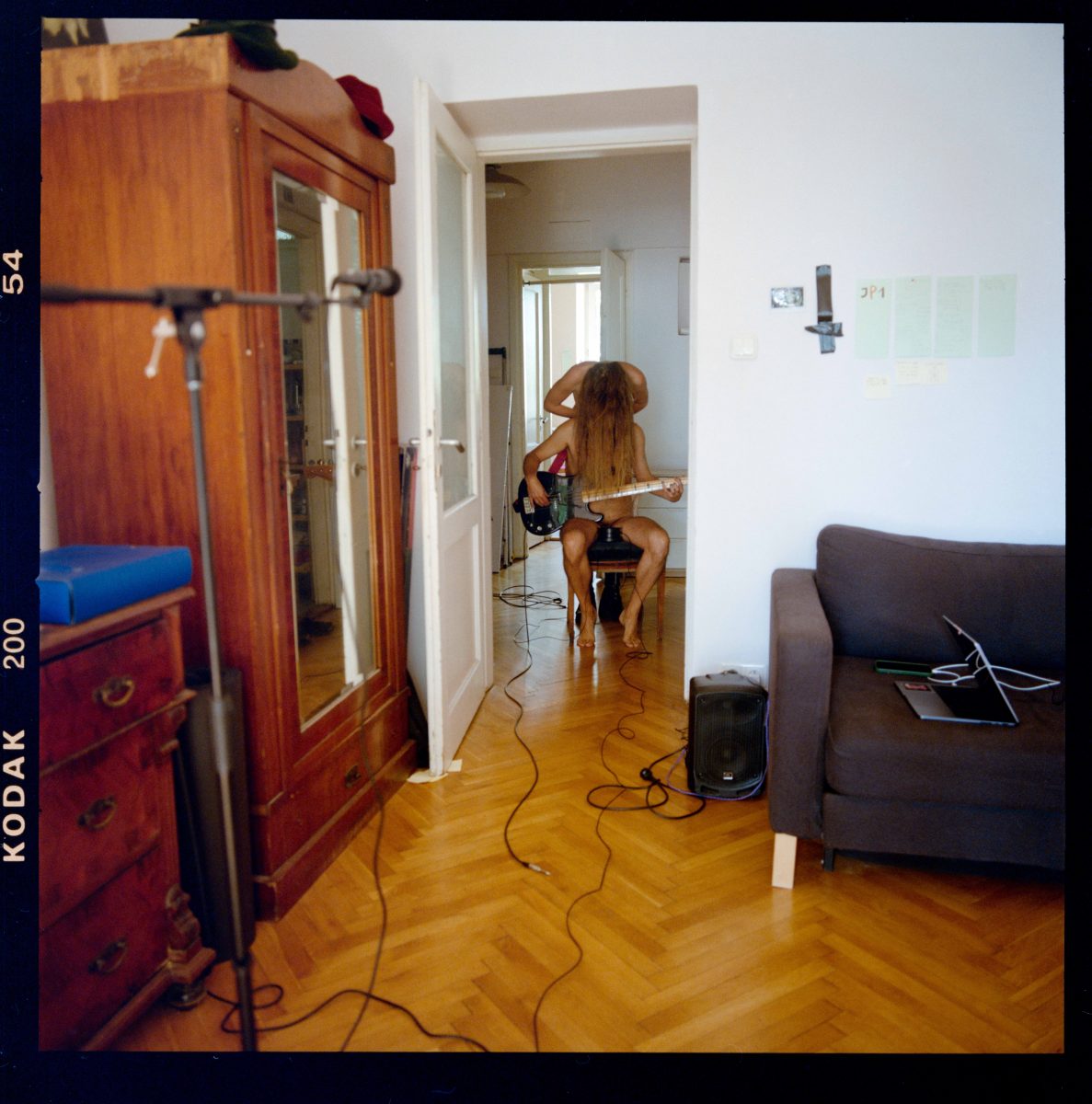
Created by JP1 — the music-performance duo of Jana Shostak and Piotr Adamski — the work offers a poetic transformation of research data into a live composition for bass guitar and two whispered voices.
JP1 operates at the intersection of music and performance, developing intimate and minimal forms in which sound becomes a gesture of relation: restrained, tender, and quietly subversive. Drawing on Darwin’s idea that music originates in birdsong and its role in attraction, JP1 treats music as an echo of an original love song — a primal call shaped by desire, proximity, and response.
The Migrating Child will be performed in collaboration with Babula (Hanna Kanavalava) and her three grandchildren — political refugees from Belarus. The full programme includes approximately 7 pieces by JP1.
Jana Shostak
Artist and activist.
United Kingdom
Reframing Migration
Exhibition / 7 March — 29 March 2025
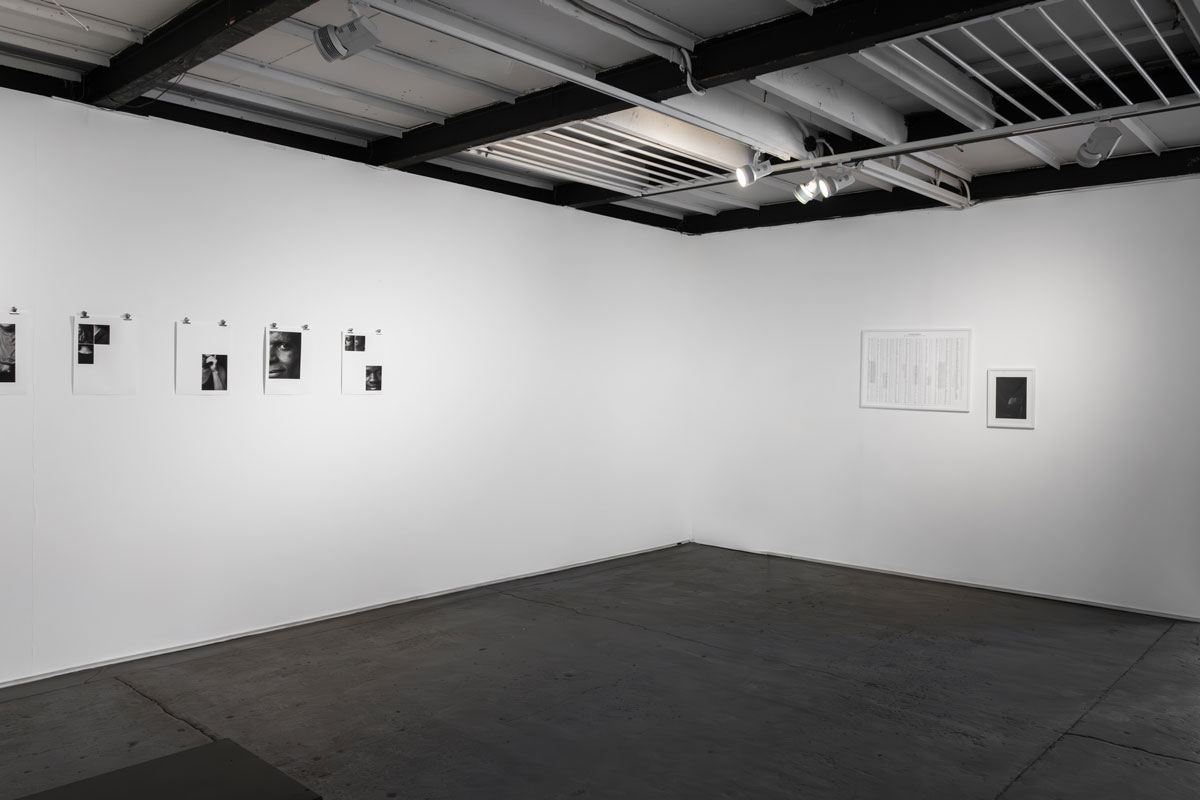
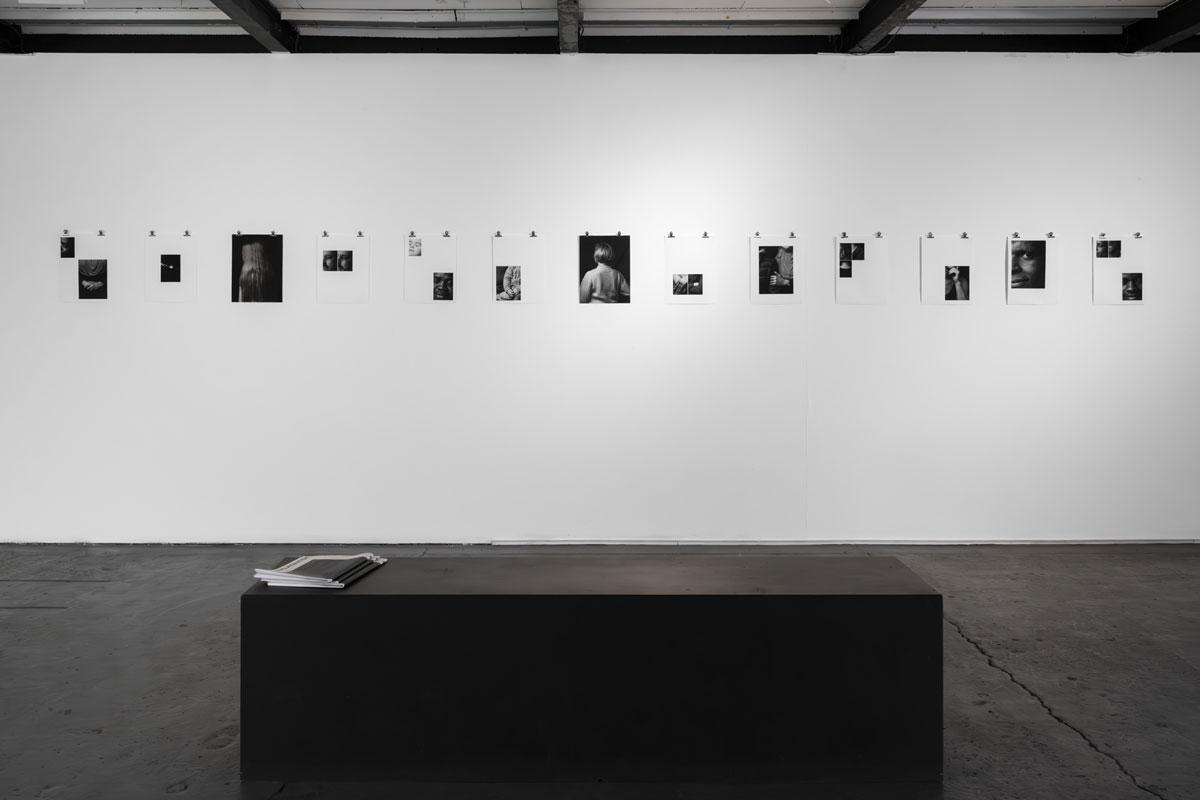
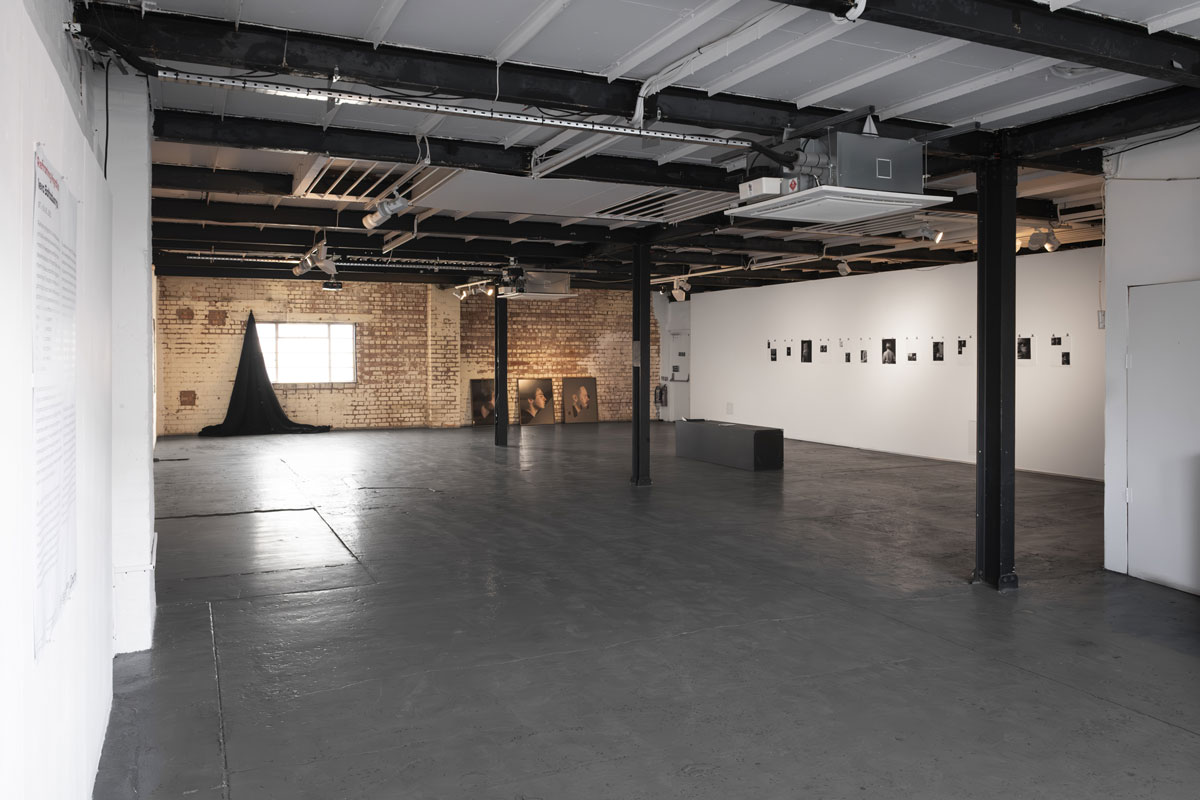
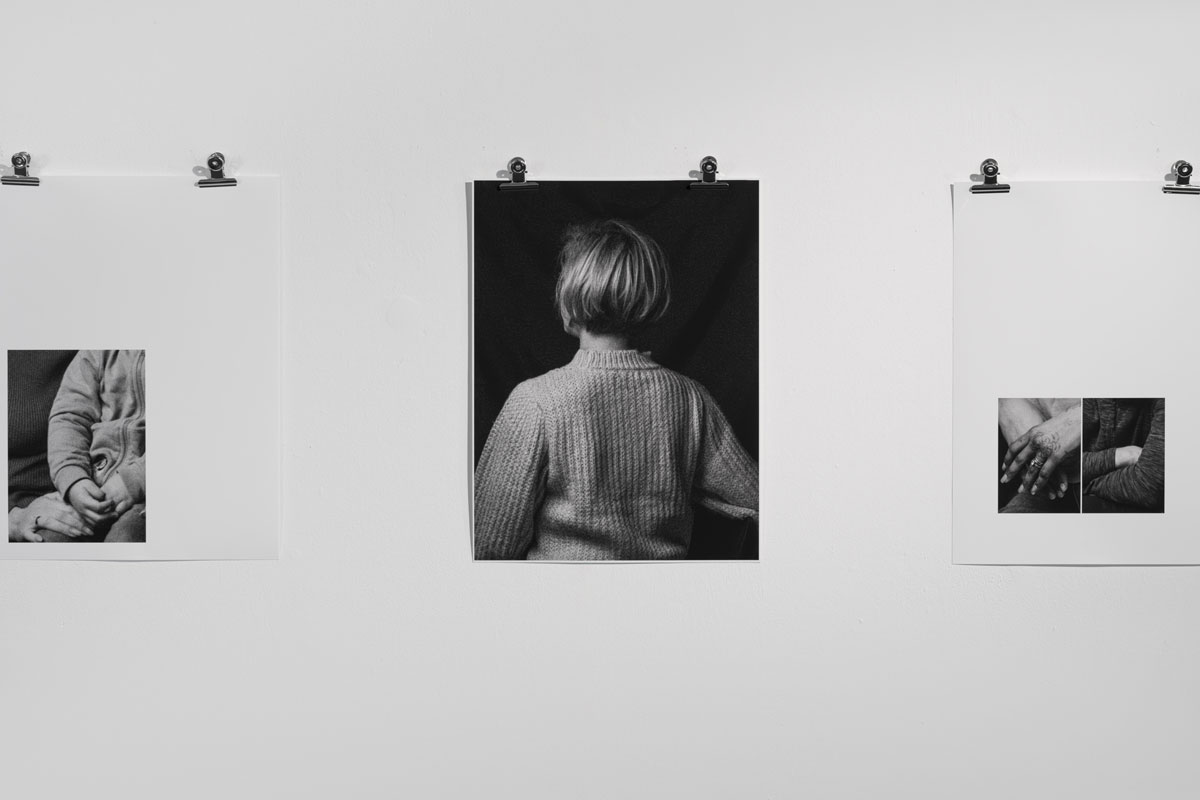
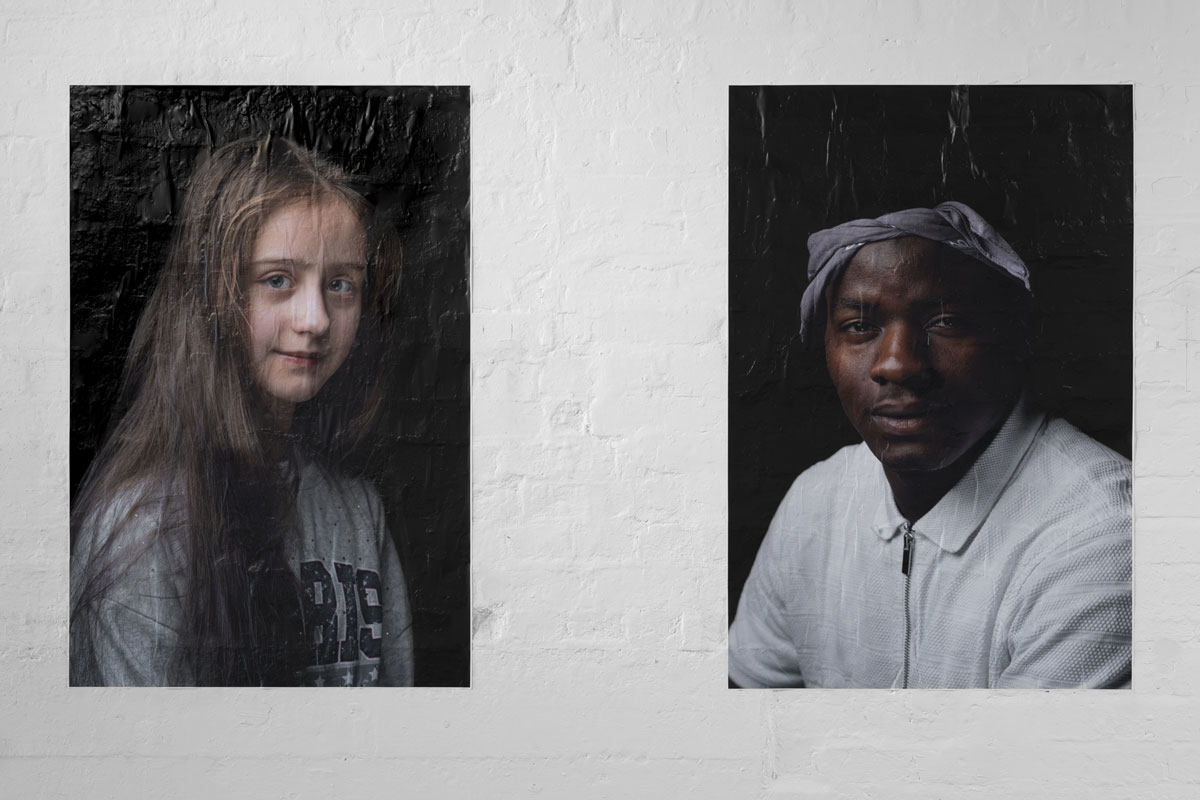
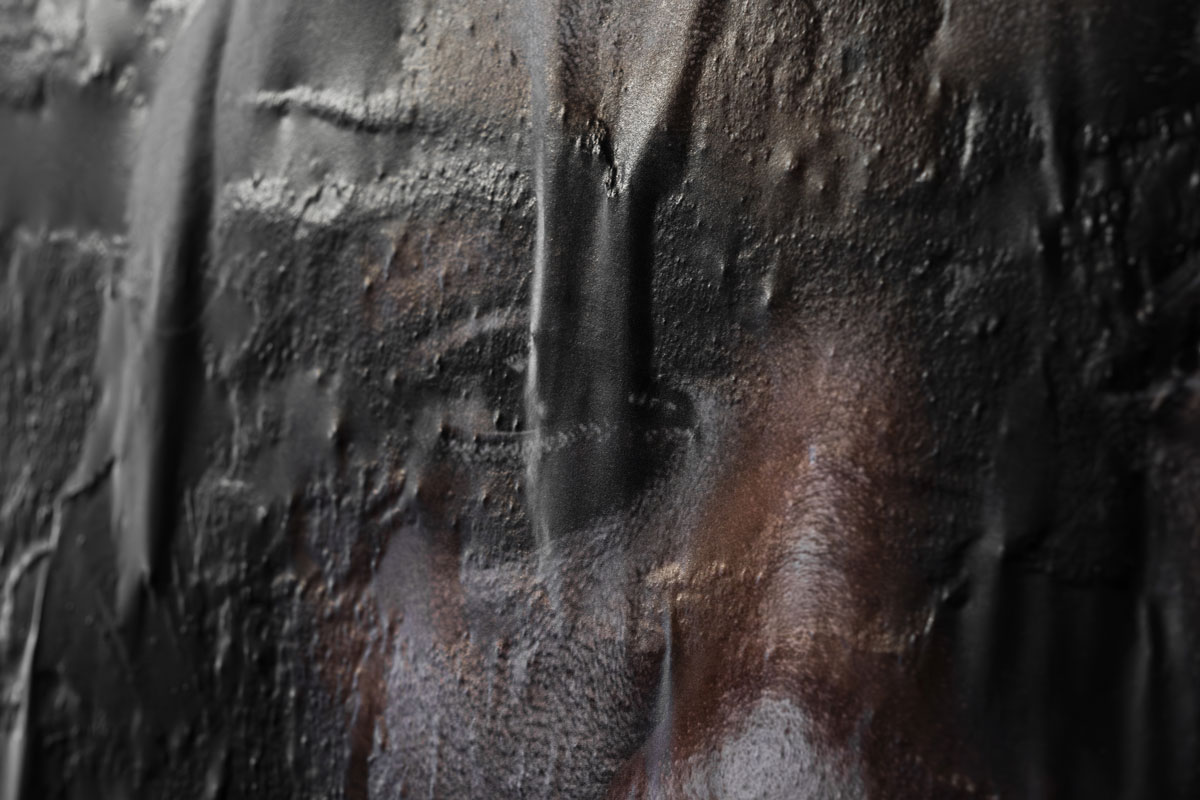
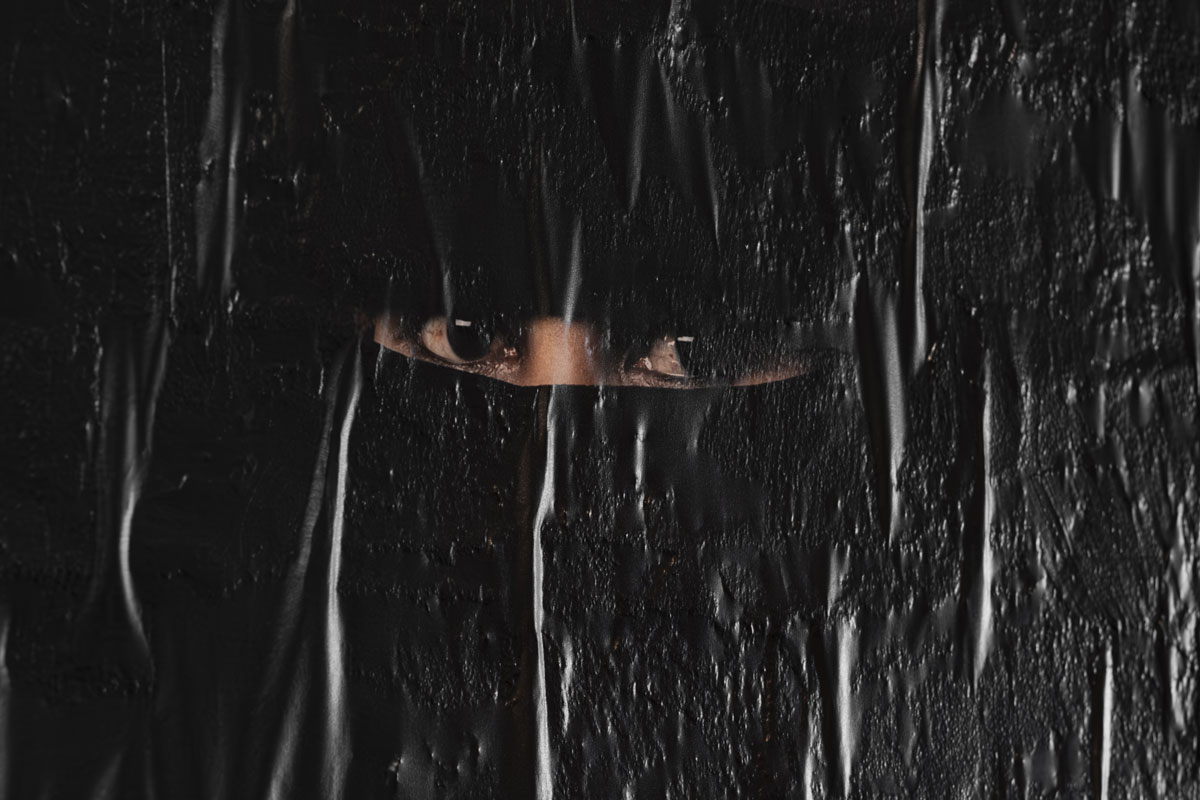
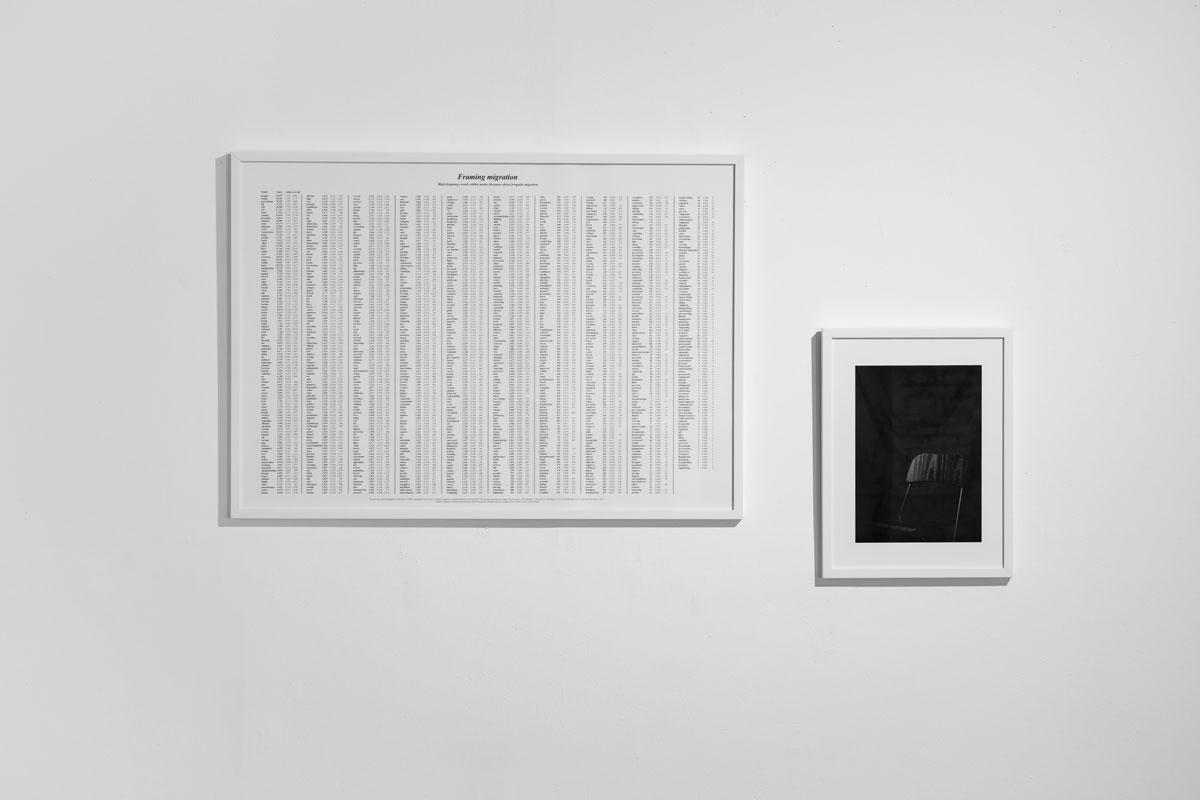
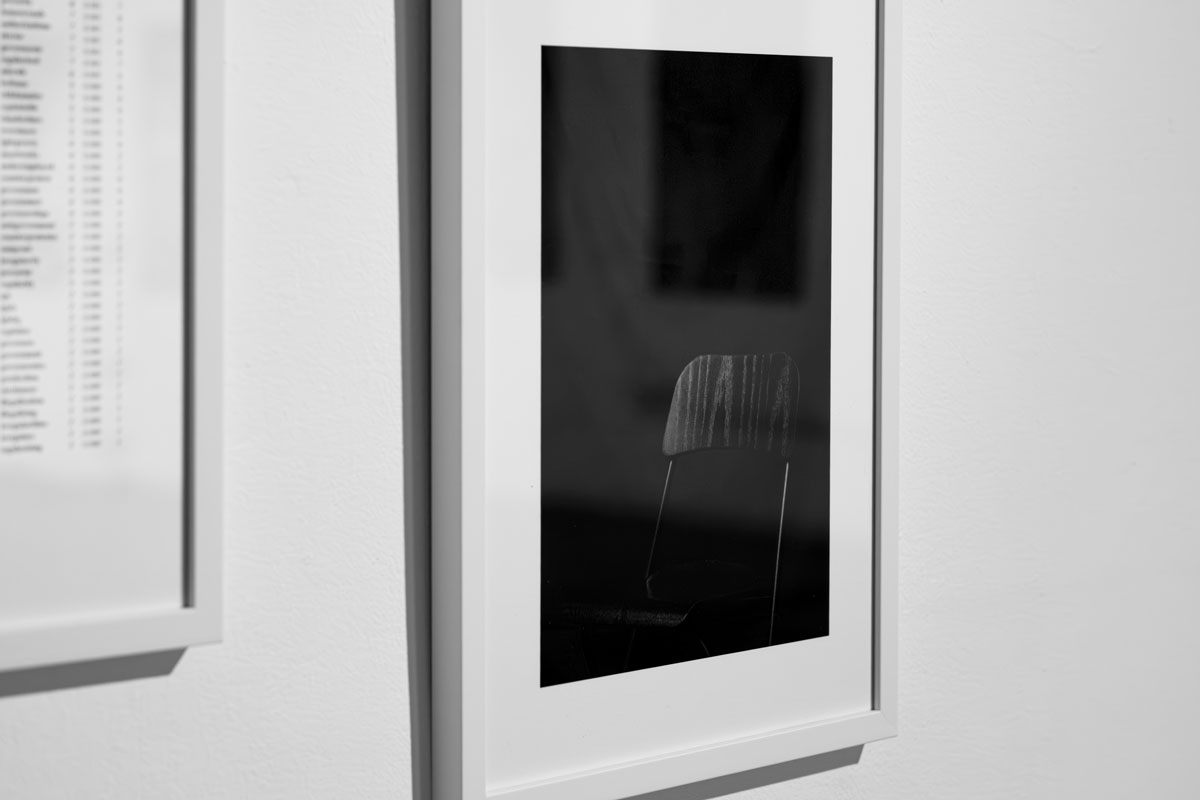
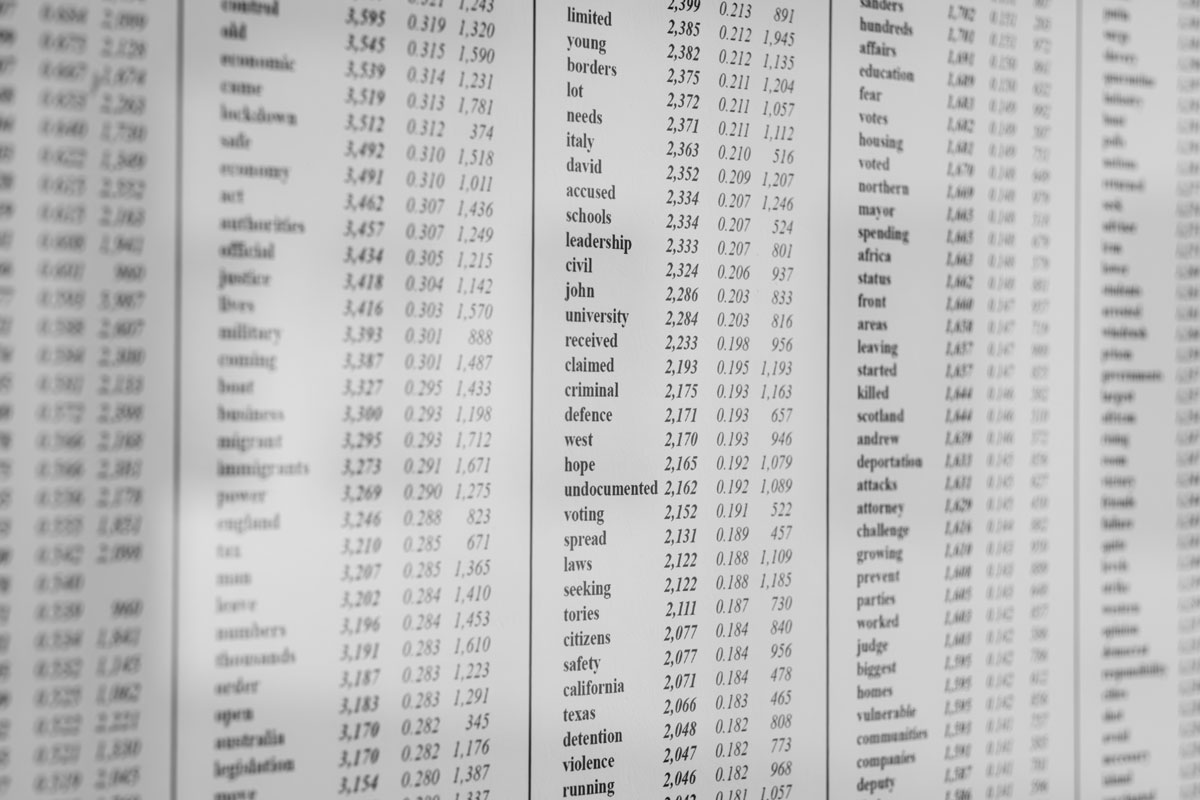
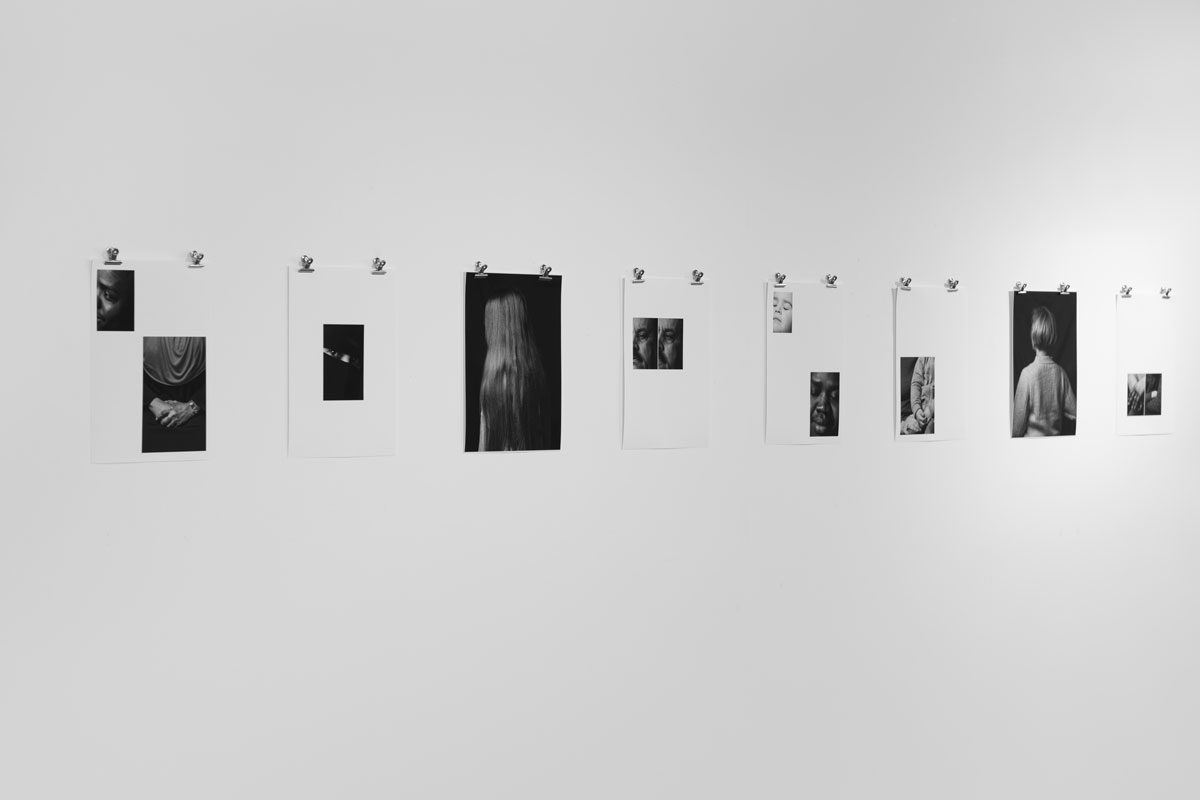
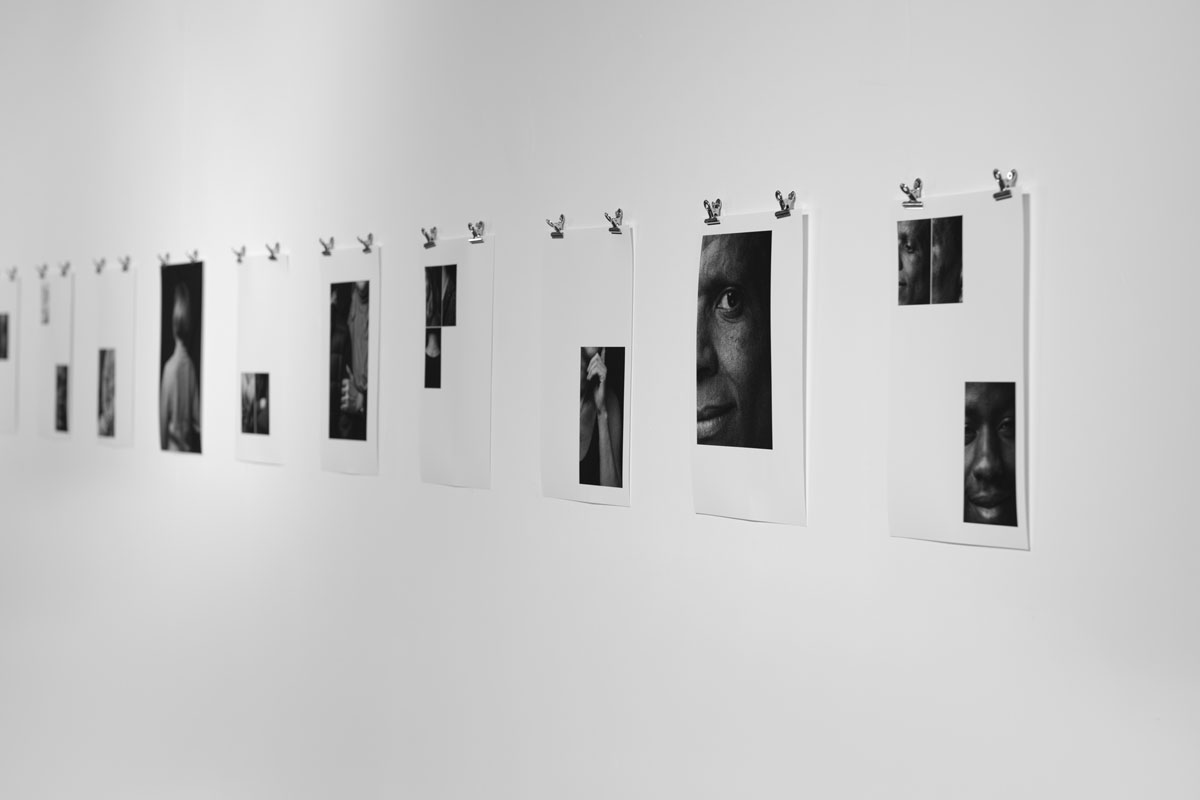
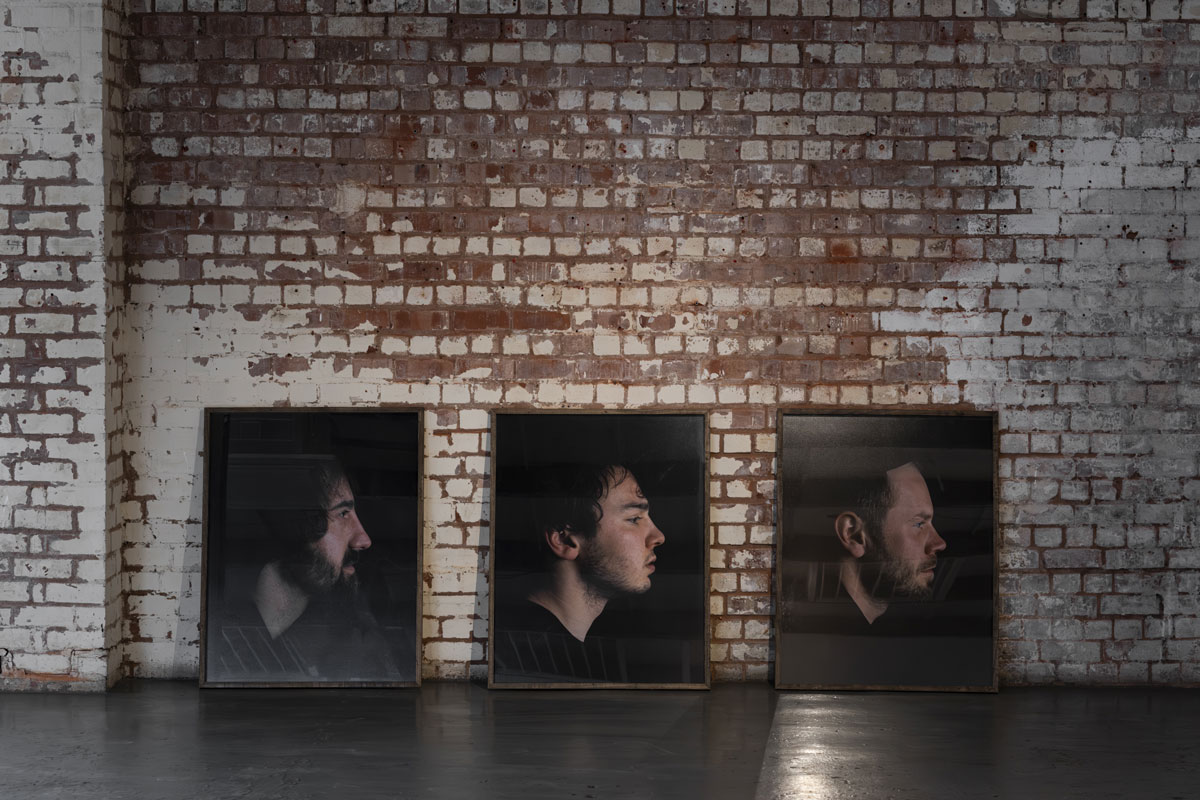
‘Reframing Migration’ by Ieva Baltaduonyte, critically examines how lexical choices in four major UK newspapers contribute to the depersonalisation of migrants, often reducing them to faceless statistics or negative stereotypes. Through a combination of photography and text-based analysis, the project aims to humanise and amplify the voices of those often overlooked, reshaping how migration is perceived and visualised in UK media. By juxtaposing migrant portraits with linguistic analysis, the project highlights the disconnect between how migration is framed in the media and how it is experienced by individuals.
Transnational migration is perhaps the most highly contested issue across Europe. For new migrants spatial and temporal displacement is potentially traumatic, resulting in shifting identities where home can no longer be understood as a fixed knowable entity. Ieva is preoccupied with revealing personal and collective narratives where trauma, identity and memory encourage a deeper engagement with cross-cultural dialogue.
By using photography for both personal expression and to foster a critical dialogue with contemporary society, she invites the viewer to participate in societal debates, foregrounding human experiences, and exposing what is otherwise obscured or ignored. Her carefully constructed projects combine politics and aesthetics inviting a dialogical relationship with the viewer.
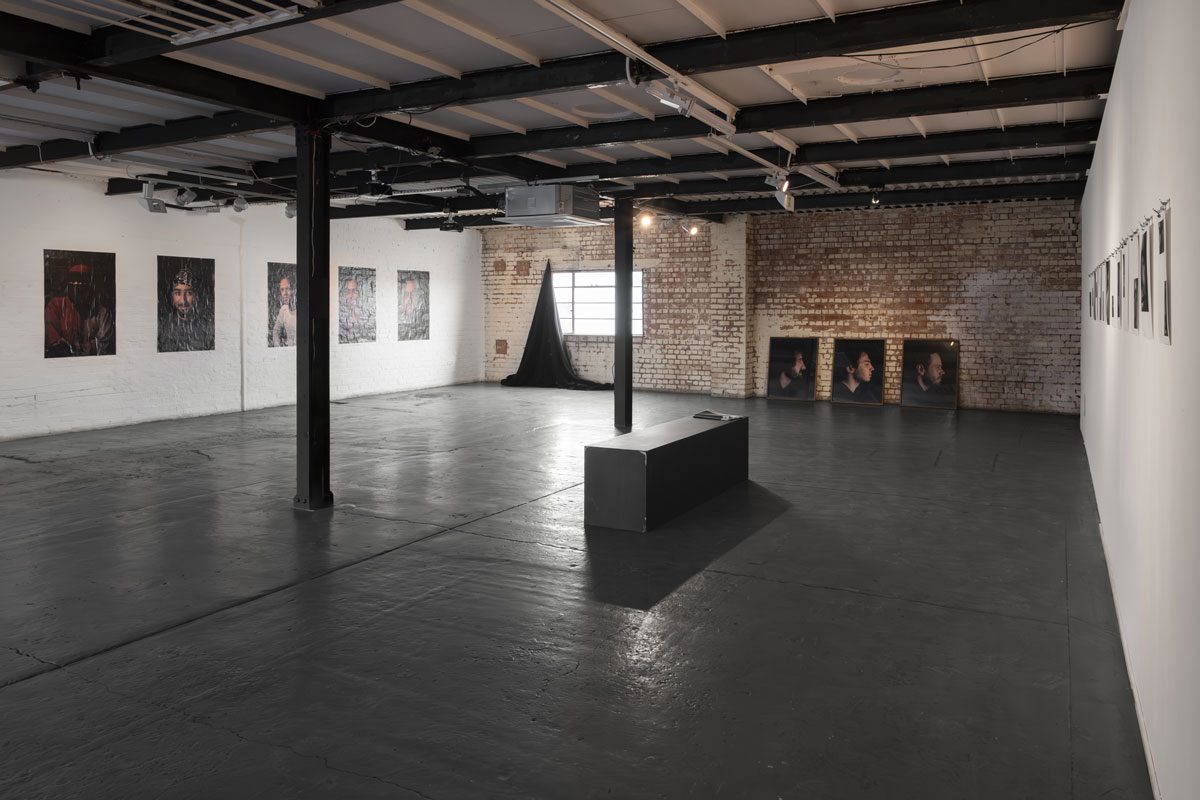
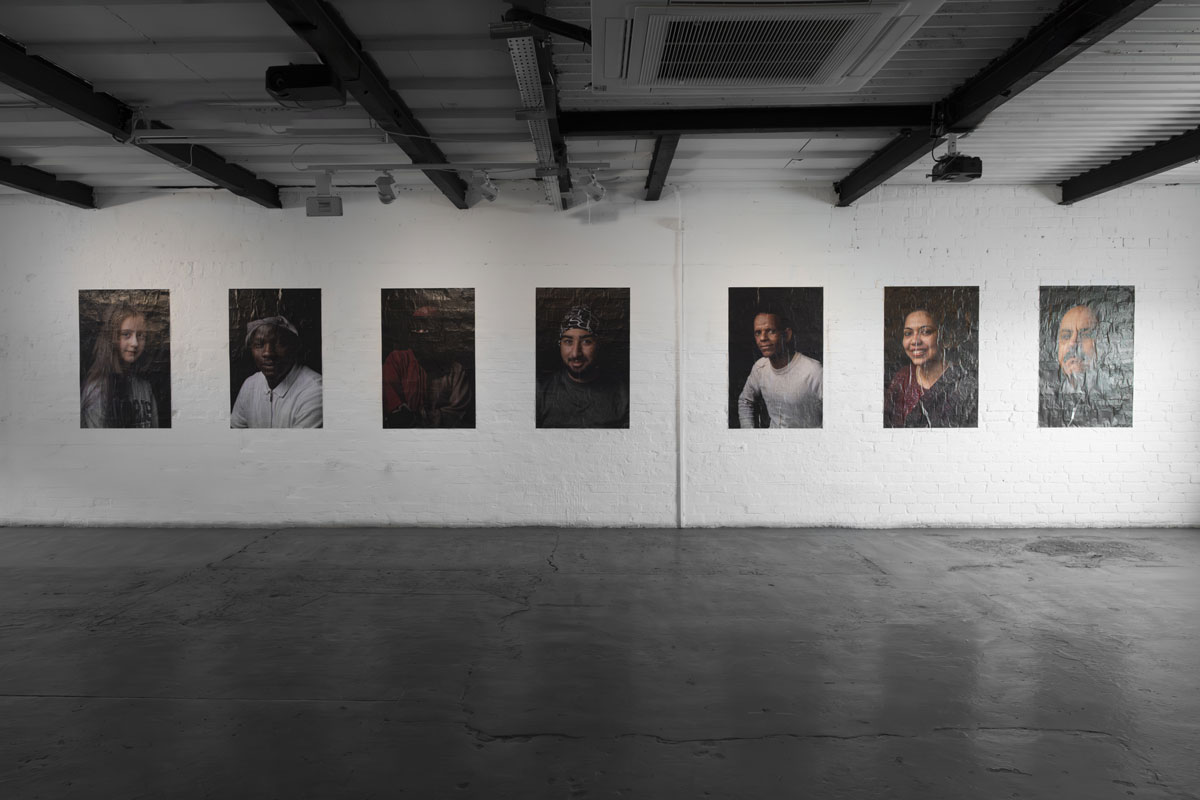

Ieva Baltaduonyte
Lens based artist and graduate of the Photography BA programme at the Dublin Institute of Technology
ARTIST BIO
Informed by her own personal experience of displacement, her artistic practice engages with topics and issues relating to migratory culture. Central to her work are the psychological consequences of migration, such as displacement trauma, as well as the concepts home, identity and the in-between state. After spending seventeen years living in Dublin, Ireland, Ieva has recently returned to her native Lithuania, where she is currently based.
Transnational migration is perhaps the most highly contested issue across Europe. For new migrants spatial and temporal displacement is potentially traumatic, resulting in shifting identities where home can no longer be understood as a fixed knowable entity. Ieva is preoccupied with revealing personal and collective narratives where trauma, identity and memory encourage a deeper engagement with cross-cultural dialogue.
By using photography for both personal expression and to foster a critical dialogue with contemporary society, she invites the viewer to participate in societal debates, foregrounding human experiences, and exposing what is otherwise obscured or ignored. Her carefully constructed projects combine politics and aesthetics inviting a dialogical relationship with the viewer.
The Netherlands
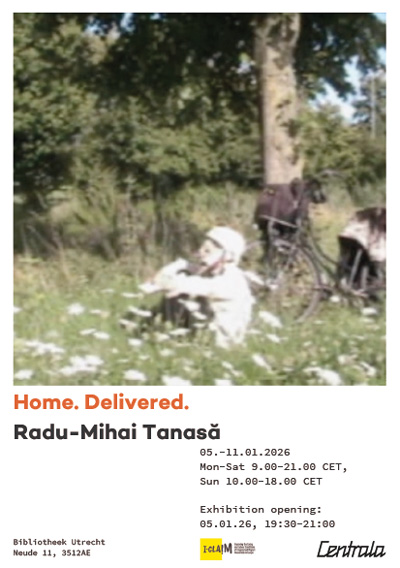
Home. Delivered.
Exhibition / 5 January — 11 January 2025
Bibliotheek Utrecht. Neude 11, 3512AE
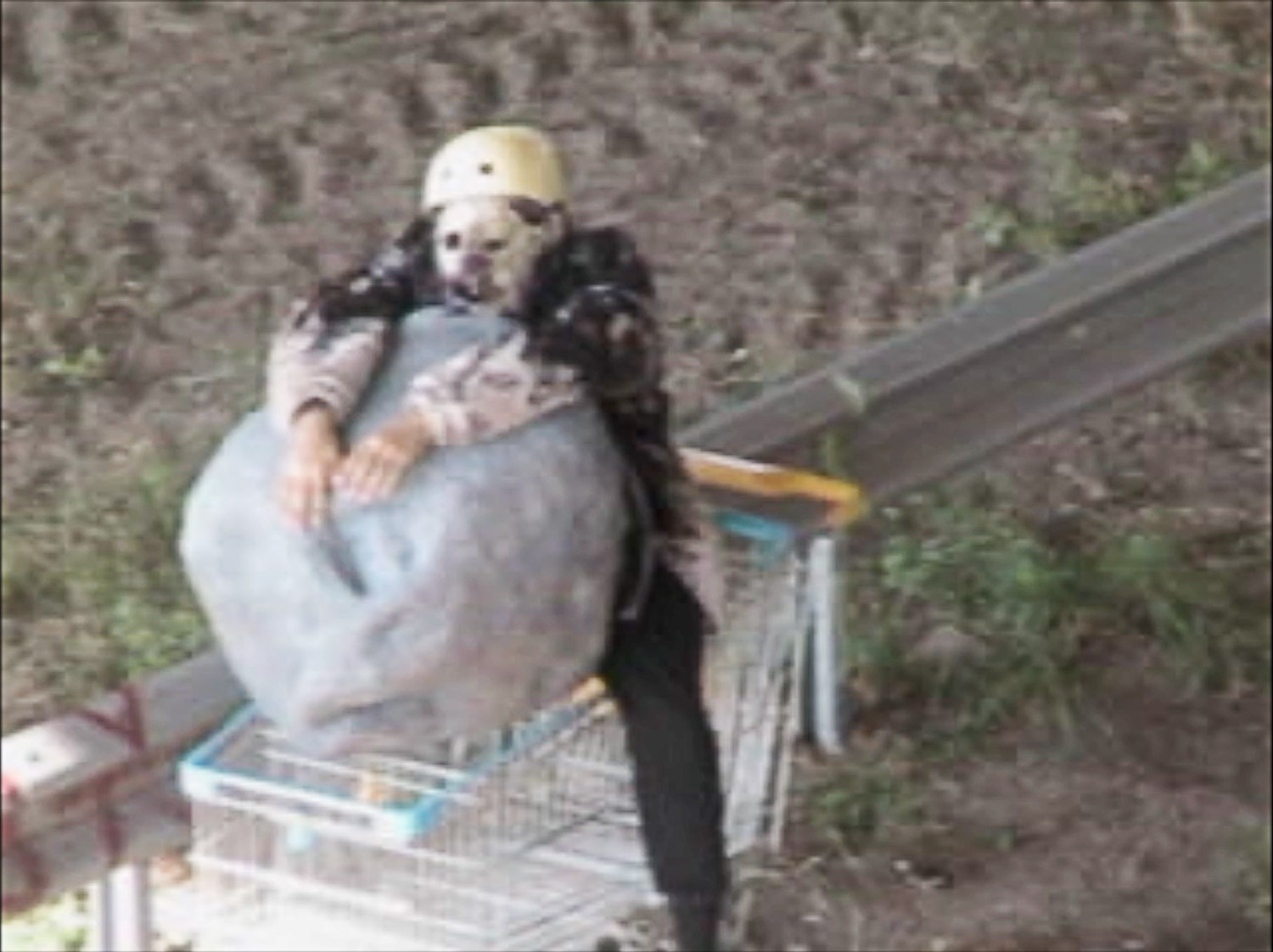
Home. Delivered. extends Radu-Mihai Tanasă’s exploration of migrant identity, labour, and belonging through a deceptively simple premise: a masked delivery worker transports a large stone across Utrecht. What begins as a routine shift becomes an intimate study of irregular migration and the lived realities of precarious work, revealing the emotional, physical, and temporal pressures that shape the everyday experience of workers who operate at the edges of legal and economic visibility.
Following the courier from pick-up to drop-off, Tanasă traces the shifting rhythms of platform labour — its instability, its vulnerability, and its quiet acts of endurance. The masked protagonist embodies the paradox of many irregularised migrants: visible within the city yet structurally obscured by the algorithmic systems that dictate their work. The stone he carries becomes a potent metaphor for the burdens of irregular status, the emotional weight of displacement, and the ongoing negotiation of belonging.
Read more
Shot in low resolution on an old Canon camera, the film gestures towards Hito Steyerl’s essay In Defence of the Poor Image, embracing the aesthetics of compression and circulation. This stylistic decision is both conceptual and political, interrupting the polished, surveillance-driven representations that often frame migrant labour. Instead, Tanasă cultivates a reflective, slightly surreal visual language that hovers between documentary and fiction, encouraging viewers to inhabit the worker’s tempo rather than merely observe it.
The courier’s drifting internal monologue offers a rare articulation of the psychological landscape of precarious, platform-based employment. His tentative, humorous, and frustrated thoughts mirror the uncertain routes and unstable rhythms faced by those navigating work without secure status. Tanasă’s ongoing use of masks deepens this complexity, suggesting protection, performance, and the multiplicity of identities required to survive under conditions of legal and economic precarity.
Presented within the I-Claim project, the film enters into dialogue with research by Ilse van Liempt and Minke Hajer at Utrecht University on irregular migrants in the Dutch food delivery sector. Their study reveals how shifting regulations, algorithmic management, and insecure legal status intersect to produce new forms of marginalisation. Rather than illustrating this research, Tanasă’s work offers an affective counterpoint — a portrait attentive to lived experience, humour, fatigue, and the delicate agency exercised in moments between tasks.
By foregrounding the emotional dynamics of irregular migration and precarious work, Home. Delivered. invites viewers to reconsider the infrastructures that sustain everyday convenience, and to acknowledge the human weight carried by those whose contributions remain largely unrecognised.
Artwork produced with with support from: Cezara Gurău, Vasilis Kapetaneas, Milo Sharafeddine, Alexa V.
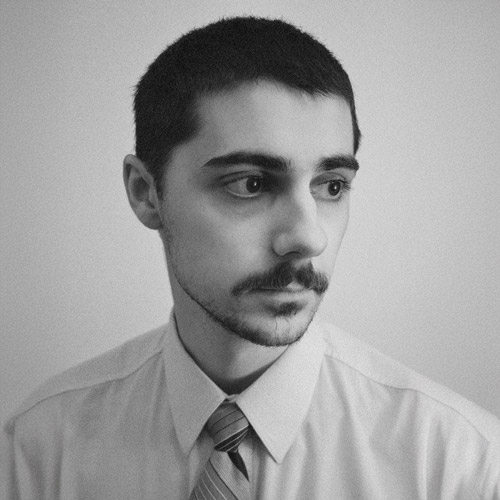
Radu-Mihai Tanasă
Multimedia Artist working with themes of identity, memory and masculinity